
Life Cycle Assessment Services ,Environmental Sustainability Services, Carbon Footprint Services, Environmental Impact Assessment Services, Sustainability Report Services, Environmental Product Declaration Services, Green Technology Services, Lifestyle For Environment Services, Measuring Carbon Footprint Services, Green Building Certification Services, Environmental Audit Services , Water Footprint Services
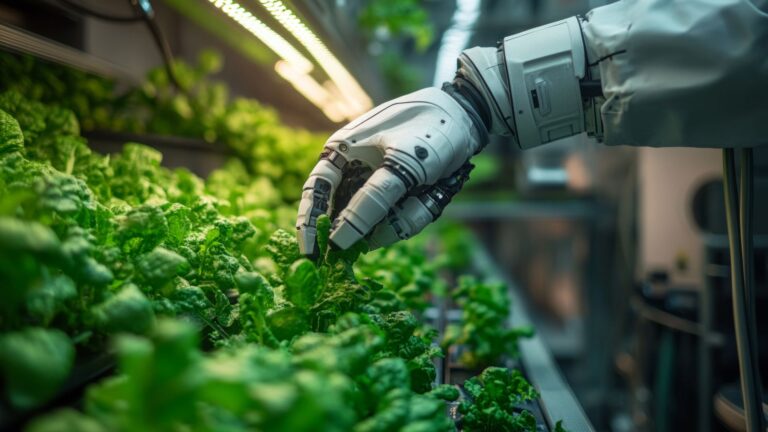
AI: The Green Revolution of E-Commerce
In today’s rapidly evolving digital landscape, e-commerce has become an integral part of our lives. However, the convenience and accessibility of online shopping come at a cost to the environment. The growing volume of products shipped, the energy consumption of data centers, and the associated packaging waste pose significant environmental challenges.
Artificial intelligence (AI) offers a promising solution to these issues. By leveraging AI-powered technologies, e-commerce businesses can significantly reduce their carbon footprint and promote sustainability. This blog post explores how AI is transforming the industry and driving a greener future for online shopping.
The Environmental Impact of E-Commerce
E-commerce, while revolutionizing the way we shop, has a substantial environmental footprint. The massive volume of products shipped globally results in significant packaging waste, contributing to pollution and resource depletion. Additionally, the transportation of goods, from warehouses to customers’ doorsteps, often relies on fossil fuel-powered vehicles, emitting greenhouse gases and contributing to climate change. Furthermore, the data centers that power e-commerce platforms consume vast amounts of electricity, leading to increased energy consumption and carbon emissions.
How AI is Driving Sustainability in E-Commerce
AI offers innovative solutions to address the environmental challenges posed by e-commerce. By leveraging AI-powered technologies, businesses can optimize their operations, reduce waste, and enhance energy efficiency.
- Optimizing Supply Chains: AI-powered algorithms can analyze historical data to accurately predict demand, reducing overproduction and the subsequent need for excess inventory. This helps minimize waste and optimize resource allocation. Additionally, AI can optimize delivery routes by considering factors such as traffic patterns, weather conditions, and distance, leading to reduced transportation emissions.
- Reducing Packaging Waste: AI can play a crucial role in designing more sustainable packaging solutions. By analyzing product dimensions and shipping requirements, AI algorithms can identify the optimal packaging materials and sizes, minimizing waste and reducing costs. Moreover, AI can help identify opportunities for using biodegradable or recyclable materials, further contributing to environmental sustainability.
- Enhancing Data Center Efficiency: Data centers, the backbone of e-commerce operations, consume significant amounts of energy. AI can help optimize energy consumption in data centers by analyzing various factors such as server utilization, temperature, and humidity. Machine learning algorithms can adjust cooling systems to maintain optimal operating conditions while minimizing energy consumption. Additionally, AI can support the integration of renewable energy sources into data center operations, reducing reliance on fossil fuels.
- Personalizing Customer Experiences: AI-driven personalization can significantly reduce return rates, which contribute to waste and emissions. By providing personalized product recommendations based on customer preferences and purchase history, AI can help customers make more informed choices, leading to fewer returns and reduced transportation needs. Furthermore, AI-generated product descriptions and images can set accurate expectations, minimizing the likelihood of returns due to mismatched products or incorrect information.
- Supporting Sustainable Manufacturing: AI can also transform manufacturing processes to be more sustainable. By analyzing data on material usage, production efficiency, and quality control, AI can identify opportunities for optimization and waste reduction. For example, AI-powered systems can detect defects early in the manufacturing process, preventing the production of defective products and saving resources. Additionally, AI can assist in the development of new, eco-friendly materials by analyzing their properties and performance.
The Role of AI in Promoting Sustainable Consumer Behavior
AI is not only transforming e-commerce businesses but also influencing consumer behavior towards sustainability. AI-powered tools such as chatbots and virtual assistants can educate consumers about the environmental impact of their purchases, encouraging them to make more informed and sustainable choices. By providing personalized recommendations and highlighting eco-friendly options, AI can nudge consumers towards greener alternatives.
Moreover, AI can facilitate circular economy practices by improving reverse logistics and enabling the resale of used products. This helps extend the lifecycle of products, reducing waste and promoting resource conservation.
Challenges and Considerations
While AI offers promising solutions for sustainability in e-commerce, it is essential to address the challenges associated with its implementation. One of the primary challenges is the significant investment required to adopt AI technologies. Smaller businesses may face difficulties in allocating the necessary resources. Additionally, the use of AI involves extensive data collection, raising concerns about privacy and security.
To effectively leverage AI for sustainability, businesses must consider a broader strategy that includes regulatory measures, consumer education, and corporate responsibility. By addressing these challenges and embracing AI-driven solutions, e-commerce businesses can play a pivotal role in driving a greener future.
Conclusion
AI is revolutionizing e-commerce by making it more sustainable. From optimizing supply chains and reducing packaging waste to enhancing data center efficiency and personalizing customer experiences, AI is contributing to a greener future. By embracing AI-powered solutions, e-commerce businesses can not only reduce their environmental impact but also gain a competitive advantage and attract environmentally conscious consumers. As AI technology continues to evolve, its potential to drive sustainability in e-commerce will only grow.