
Life Cycle Assessment Services ,Environmental Sustainability Services, Carbon Footprint Services, Environmental Impact Assessment Services, Sustainability Report Services, Environmental Product Declaration Services, Green Technology Services, Lifestyle For Environment Services, Measuring Carbon Footprint Services, Green Building Certification Services, Environmental Audit Services , Water Footprint Services
The Role of Green Infrastructure in Sustainable Urban Planning
As cities sprawl and grow, they face a growing list of challenges. Pollution, traffic jams, and rising temperatures are just a few of the problems that cities grapple with today. But there’s a solution that’s both beautiful and practical: green infrastructure.
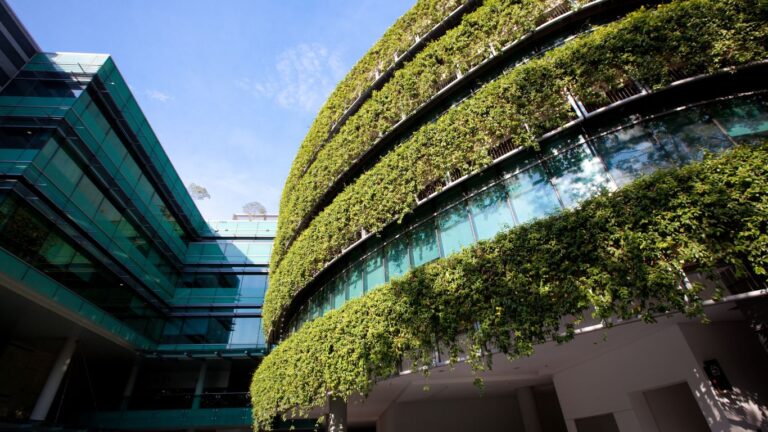
Imagine cities where parks and gardens are everywhere, buildings are covered in greenery, and streets are lined with trees. It might sound like a dream, but green infrastructure is making it a reality. By incorporating nature into our urban landscapes, we can create healthier, more sustainable, and more enjoyable cities.
Environmental Benefits
Green infrastructure plays a crucial role in improving environmental quality. By capturing and filtering air pollutants, green spaces help to reduce air pollution and improve air quality. Additionally, green infrastructure, such as trees and green roofs, can mitigate the urban heat island effect by providing shade, evapotranspiration, and cooling. This helps to reduce energy consumption for cooling buildings and improve overall comfort.
Moreover, green infrastructure contributes to biodiversity conservation by providing habitat for wildlife. Parks, urban forests, and wetlands create diverse ecosystems that support a wide range of plant and animal species. By preserving biodiversity, green infrastructure helps to maintain the ecological balance of urban areas.
In terms of water management, green infrastructure plays a vital role in reducing stormwater runoff and preventing flooding. Green roofs, rain gardens, and bioswales can capture and absorb rainwater, allowing it to infiltrate the ground slowly rather than overwhelming stormwater systems. This helps to reduce the burden on infrastructure and prevent pollution of waterways.
Social Benefits
Green infrastructure also offers significant social benefits. Parks and green spaces provide opportunities for physical activity, recreation, and social interaction. Access to nature has been shown to improve mental health, reduce stress, and enhance overall well-being. Additionally, green infrastructure can contribute to community cohesion by creating shared spaces for residents to gather and connect.
Economic Benefits
Integrating green infrastructure into urban planning can also have economic benefits. Green roofs and green walls can reduce energy consumption by providing insulation and shading, leading to lower energy bills for building occupants. Additionally, green infrastructure can increase property values by creating more desirable and attractive living environments. Furthermore, the development and maintenance of green infrastructure can generate jobs and support the green economy.
Key Components of Green Infrastructure
Green infrastructure encompasses a wide range of natural and engineered elements, including:
- Natural elements: Parks, urban forests, wetlands, and green spaces.
- Engineered features: Green roofs, green walls, permeable pavements, and bioswales.
- Hybrid systems: Combinations of natural and engineered elements.
Integrating Green Infrastructure into Urban Planning
Successful integration of green infrastructure requires collaboration among various stakeholders, including policymakers, planners, architects, and communities. Here are some key strategies for incorporating green infrastructure into urban planning:
- Embedding green infrastructure principles into zoning regulations and development standards: This ensures that green infrastructure is considered at the early stages of planning and development.
- Engaging local communities: Involving communities in the planning and implementation of green infrastructure projects fosters ownership and stewardship.
- Leveraging innovative financing mechanisms: Exploring green bonds, public-private partnerships, and other financing options can help secure funding for green infrastructure initiatives.
- Implementing policy incentives and regulatory frameworks: Providing incentives and regulations can encourage the adoption of green infrastructure practices.
Overcoming Challenges and Moving Forward
While green infrastructure offers numerous benefits, its widespread adoption faces challenges such as financial constraints, limited land availability, and maintenance requirements. To overcome these barriers, cities can:
- Utilize smart technologies: Employing monitoring systems and data analytics can optimize the design and management of green infrastructure.
- Promote mixed-use development: Creating denser, more walkable neighborhoods can reduce the need for cars and promote sustainable transportation.
- Invest in sustainable buildings and renewable energy: Integrating green infrastructure into building design and incorporating renewable energy sources can enhance overall sustainability.
Technological Advancements
Technological advancements are significantly enhancing the effectiveness and efficiency of green infrastructure projects. Some key technologies include:
- Monitoring Technologies: Sensors and data analytics provide valuable insights into the performance of green infrastructure elements.
- Smart Control Systems: Automated irrigation and lighting systems optimize resource use.
- Vertical Gardens and Green Walls: Innovative designs that maximize green space in urban areas.
- Sustainable Building Materials: Utilizing eco-friendly materials to reduce environmental impact.
- Electrochromic Glass: Smart glass that adjusts tint based on sunlight exposure, reducing energy consumption.
- Cool Roof Systems: Reflective roofs that help mitigate the urban heat island effect.
- Smart Meters: Real-time data on energy and water usage for efficient management.
- Biomimicry and Artificial Photosynthesis: Innovative approaches inspired by nature to address sustainability challenges.
Conclusion
As cities continue to grow and face increasing environmental pressures, the integration of green infrastructure into urban planning is essential for creating sustainable and resilient communities. By harnessing the power of nature-based solutions and innovative technologies, cities can enhance environmental quality, promote social well-being, and build a more sustainable future for generations to come.